What Is a Pinard Fetal Stethoscope?
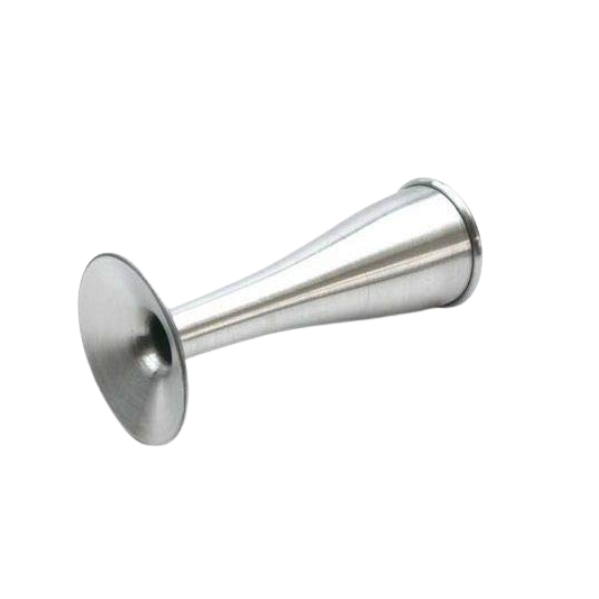
The Pinard stethoscope, also called a Pinard horn or fetoscope, is a simple, monaural trumpet-shaped instrument used to auscultate fetal heart sounds during pregnancy and labour. The wide flared end is placed against the pregnant abdomen and the narrow end is pressed against the clinician’s ear. Fetal heart sounds are transmitted through the maternal abdominal wall and amplified by the horn shape, with no batteries, charging or electronic components required. This simplicity makes the VM-SPFP invaluable in settings where Doppler equipment is unavailable or its battery is flat.
Clinical Use and Technique
The Pinard is used from approximately 20 weeks gestation, when the fetal heart can first be reliably heard, for intermittent auscultation of the fetal heart rate (FHR). The clinician listens for 1 minute, counting the rate and noting rhythm, with a normal FHR of 110-160 BPM. Intermittent auscultation with a Pinard is an accepted monitoring method in low-risk labours in both developed and developing world guidelines, including WHO and ICM guidance, and continues to be taught as a foundational skill for all midwives and obstetricians.
Construction, Durability and Supply in South Africa
The VM-SPFP is constructed from aluminium, lighter than traditional wooden or ivory Pinards and easier to clean with standard surface disinfectants. It weighs 60-80g. The aluminium construction does not rust or corrode, making it suitable for clinical environments, and it is CE and ISO certified. Packed 10 per box (220 × 170 × 120mm), the VM-SPFP suits bulk procurement. Available in South Africa from Vital Medical, it is supplied to midwifery units, obstetric departments and antenatal care services. Facilities can request a free quote through the Vital Medical website and receive a personalised response within 24 hours.
TECHNICAL SPECIFICATIONS TABLE
| Specification | Detail |
|---|---|
| Brand | Vital Medical |
| SKU | VM-SPFP |
| Type | Pinard fetal stethoscope (fetoscope) |
| Material | Aluminium |
| Weight | 60-80g |
| Design | Monaural trumpet (horn shape) |
| Use | Fetal heart auscultation from approximately 20 weeks gestation |
| Normal FHR | 110-160 BPM |
| Certifications | CE, ISO |
| Packing | 10 per box (220 × 170 × 120mm) |
| Application | Midwifery, obstetrics, antenatal care |